Non-Specific
General pain without a specific structural cause. The most treatable kind.

80% of adults experience lower back pain. Most cases are non-specific, which means no scary structural damage, and which means movement is the treatment. Here's how to do it properly.
Clinically reviewed · Loosn Specialist Network · Updated June 2026
Lower back pain is the single most common musculoskeletal complaint in the world, and the leading cause of disability globally. The encouraging part that rarely gets said clearly: around 80% of cases are what clinicians call non-specific, meaning there's no serious structural damage, no trapped nerve, nothing that shows up meaningfully on a scan.
Non-specific lower back pain is usually a combination of deconditioned muscles, prolonged static postures, stress, and poor sleep. Which is why rest makes it worse and graded movement makes it better. Loosn builds you a progressive programme that starts where your pain is today and rebuilds strength and confidence over 8 to 12 weeks.
Different drivers need different programmes. The quiz works out which is yours.
General pain without a specific structural cause. The most treatable kind.
Pain radiating down the leg from nerve irritation.
Disc material pressing on spinal nerves.
Narrowing of the spinal canal.
Sacroiliac joint irritation and inflammation.
Overuse or sudden-movement injury. Settles fast with the right loading.
Filtered from Loosn's library of 372 exercises. Each comes with 3D guidance and real-time form feedback in the app.
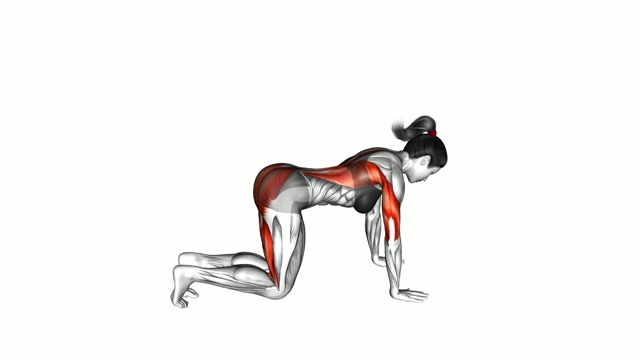
A foundational core stability exercise that trains the back and abdominal muscles to work together while maintaining a neutral spine. It builds anti-rotation strength, balance, and lumbar control.
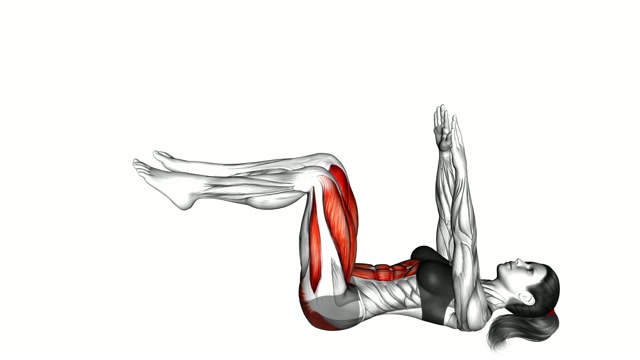
A supine core exercise ideal for people who find planks uncomfortable. Teaches the deep abdominal muscles to stabilise the spine while the arms and legs move independently.
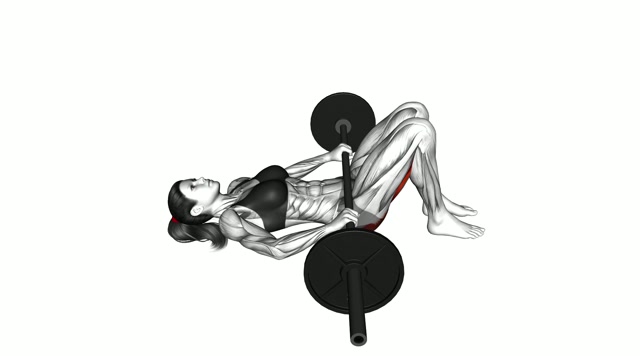
Engage your glutes and core with this foundational hip extension exercise.

Get the app on your phone and meet Kai. Kai builds your Movement Profile and matches you to the right programme.


Kai adapts every session to your pain, sleep & energy. Slept badly? Gentler flow. Feeling strong? Kai pushes further. Like a physio who knows you.

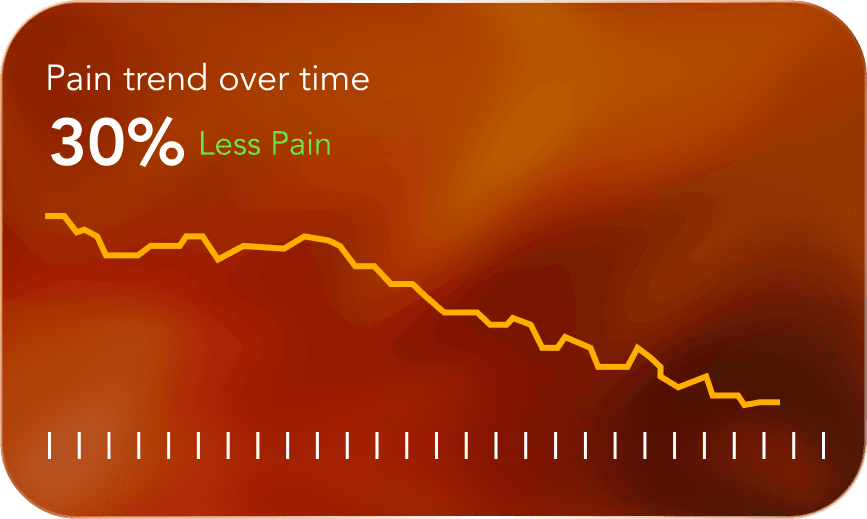
13 minutes a day. Exercises with real-time form correction, breathwork, and pain education. Watch your pain trend drop week by week.
Weeks 1-2
Gentle mobility and breathing. Pain settles as your nervous system learns movement is safe.
Weeks 3-6
Core activation and glute strength return. Most people report meaningful pain reduction here.
Weeks 8-12
Functional strength and resilient movement patterns. The goal is a back you stop thinking about.
Loosn is built for common MSK pain. See a GP or urgent care promptly if you have any of the following:

YouTube gives you the same routine regardless of who you are. Loosn assesses your specific movement patterns, builds a 12-week programme, adapts as you change, and tracks whether it's actually working.
No. The first six weeks are bodyweight, a wall and a flat bit of floor. A resistance band is useful later, and Kai will tell you when it earns its place.
Most people notice their morning stiffness easing inside two weeks. Meaningful pain reduction usually lands between weeks three and six, which is why the programme keeps going well past the point it stops hurting.
Tell Kai at the daily check-in and the session changes that day — less load, more mobility, no lost progress. Flare-ups are expected during recovery, not a sign the plan has failed.

2-minute quiz. Personalised lower back pain programme. First 14 days free.