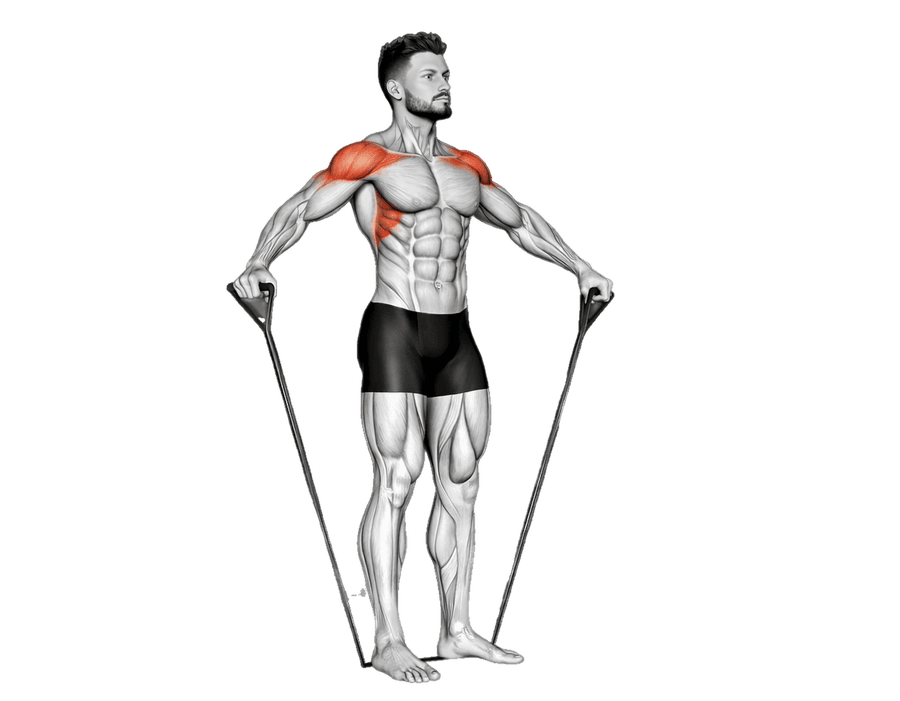
Load-Related
Standing occupations or training spikes. Responds to loading plus load management.
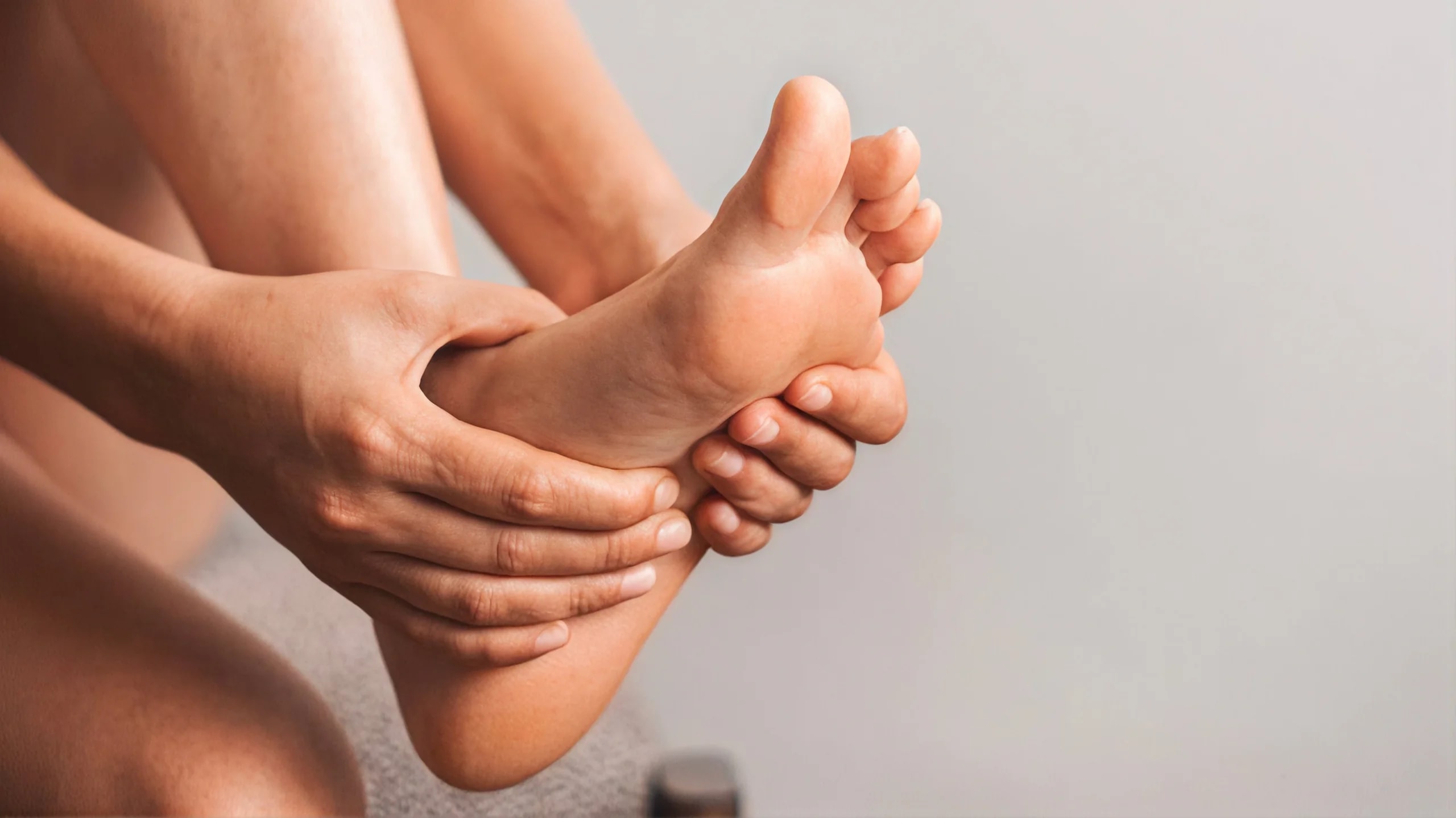
That stabbing heel pain with your first steps in the morning has a well-evidenced fix, and it isn't rest, and it isn't just rolling a ball under your foot.
Clinically reviewed · Loosn Specialist Network · Updated June 2026
The plantar fascia is a thick band of tissue running from your heel to your toes, supporting your arch with every step. Plantar fasciitis (more accurately, fasciopathy) is what happens when cumulative load exceeds what the tissue can tolerate: standing all day, a jump in running volume, unsupportive footwear, or simply time.
The defining symptom is sharp heel pain with the first steps after rest, easing as you move, then often returning by evening. The evidence-backed fix is progressive loading: strengthening the fascia and calf complex so it tolerates your life again. Stretching and massage feel good but don't change capacity. Loading does.
Different drivers need different programmes. The quiz works out which is yours.
Standing occupations or training spikes. Responds to loading plus load management.
Restricted ankle mobility overloading the fascia. Needs calf work alongside.
Spurs are usually incidental. The treatment is the same and works just as well.
Filtered from Loosn's library of 372 exercises. Each comes with 3D guidance and real-time form feedback in the app.
Fascia loading
Symptom relief
Ankle mobility


Get the app on your phone and meet Kai. Kai builds your Movement Profile and matches you to the right programme.


Kai adapts every session to your pain, sleep & energy. Slept badly? Gentler flow. Feeling strong? Kai pushes further. Like a physio who knows you.
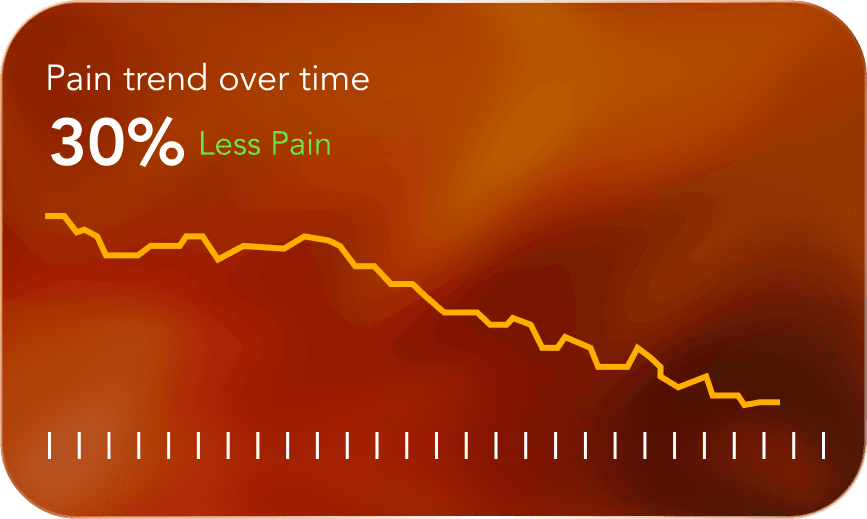
13 minutes a day. Exercises with real-time form correction, breathwork, and pain education. Watch your pain trend drop week by week.
Weeks 1-2
Isometric loading and symptom relief. First-step pain begins to ease.
Weeks 3-6
Progressive heel raises with the toes extended. The fascia adapts and tolerates more.
Weeks 8-12
Full loading, return to running or long days on your feet without the evening payback.
Loosn is built for common MSK pain. See a GP or urgent care promptly if you have any of the following:

Overnight the fascia rests in a shortened position. Your first steps stretch irritated tissue suddenly, which is why the first minutes are worst and it eases as the tissue warms up.
No. Rest lowers the pain and lowers your capacity with it, so the same walk hurts again the moment you go back to it. What works is reducing the aggravating load a little while adding controlled loading that rebuilds tolerance.
They can take enough load off to make the early weeks comfortable, which is a real help. They are support rather than treatment: the fix is a fascia and calf complex strong enough not to need them.
Most people are back to easy running somewhere between weeks six and twelve, once first-step pain has gone and loaded heel raises are comfortable. Going back on the old volume is what causes the relapse, so the return is graded.
2-minute quiz. Personalised plantar fasciitis programme. First 14 days free.